The Webhook Trust Deficit: Engineering Replay-Resistant Integrations
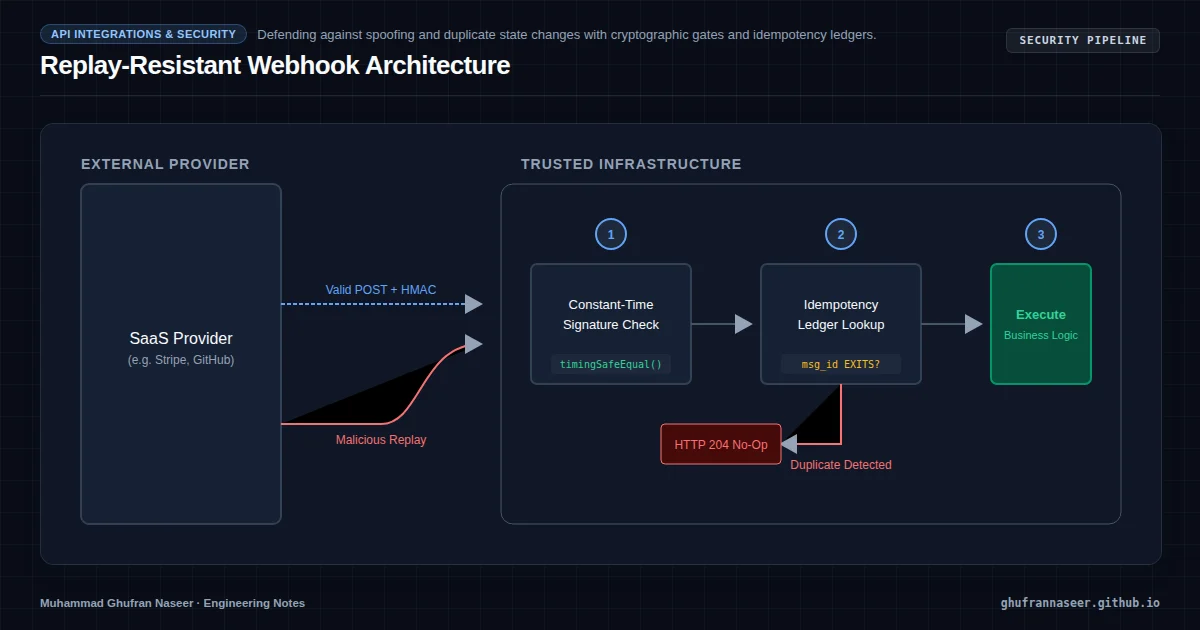
Why blind trust in third-party webhooks is a security liability and how to architect resilient handlers using cryptographic verification and idempotency keys.
Deep dives on Backend Architecture, DevOps & Kubernetes, Cybersecurity, Full Stack Development, and AI Integration.
Why blind trust in third-party webhooks is a security liability and how to architect resilient handlers using cryptographic verification and idempotency keys.
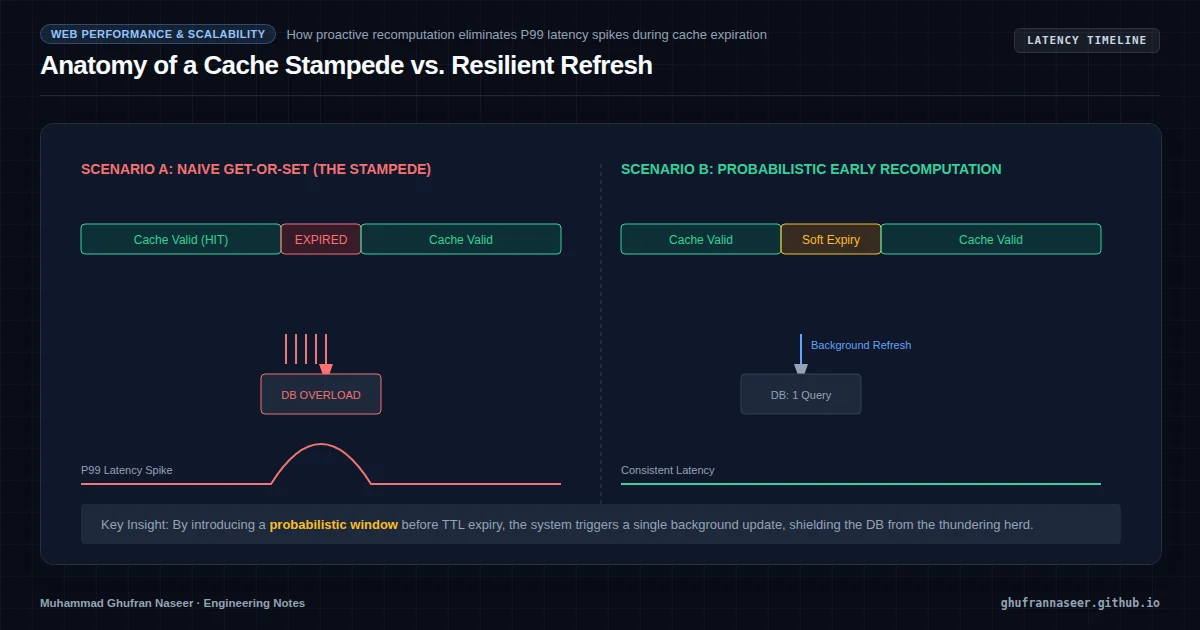
Why your 'fast' API occasionally spikes in latency and how to engineer resilient caching strategies using probabilistic recomputation and background refreshes.
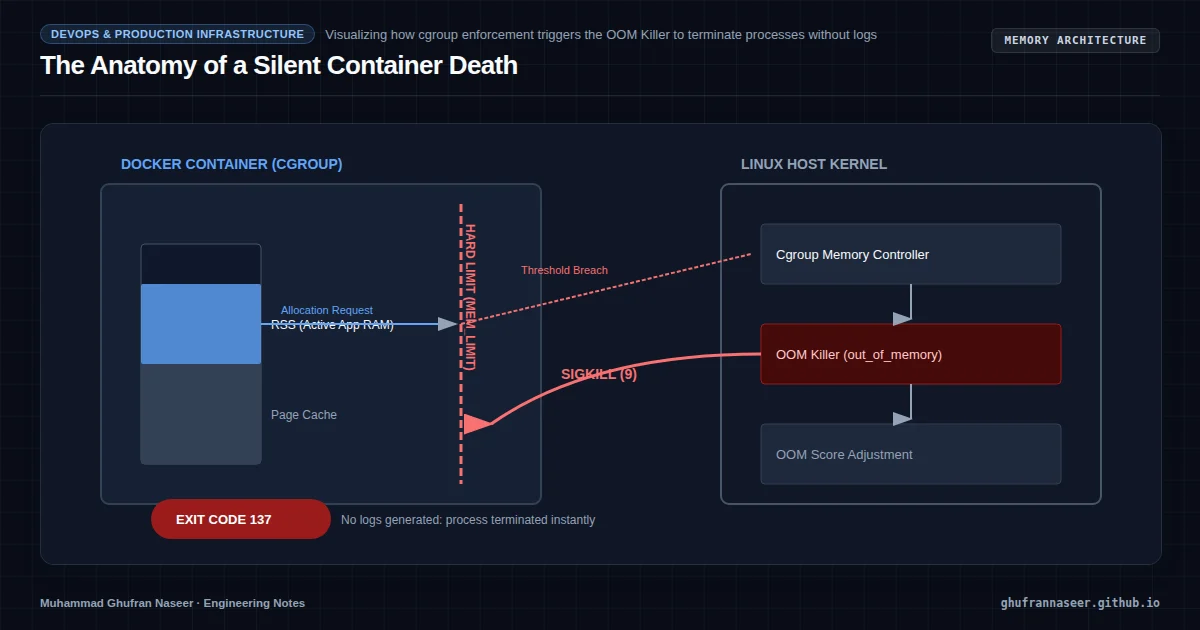
Why Docker containers silently vanish on small VPS nodes and how to engineer resilient resource boundaries using cgroups, swap accounting, and OOM score adjustments.
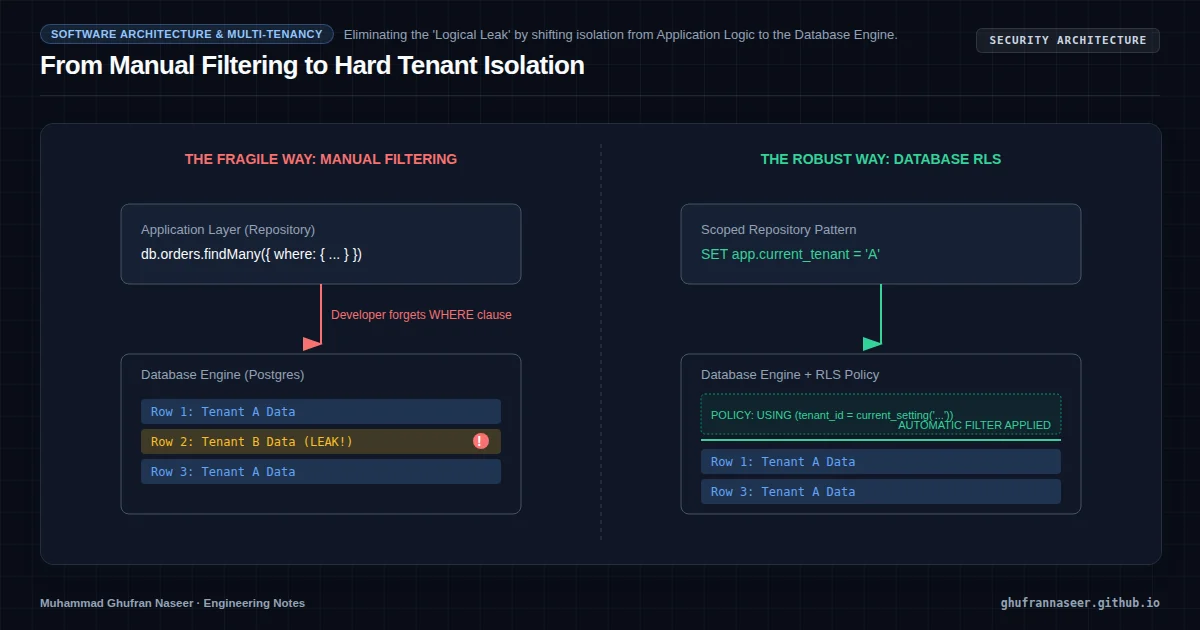
Why relying on manual tenant filtering is a ticking time bomb for data privacy and how to enforce hard boundaries using Row-Level Security and Scoped Repositories.
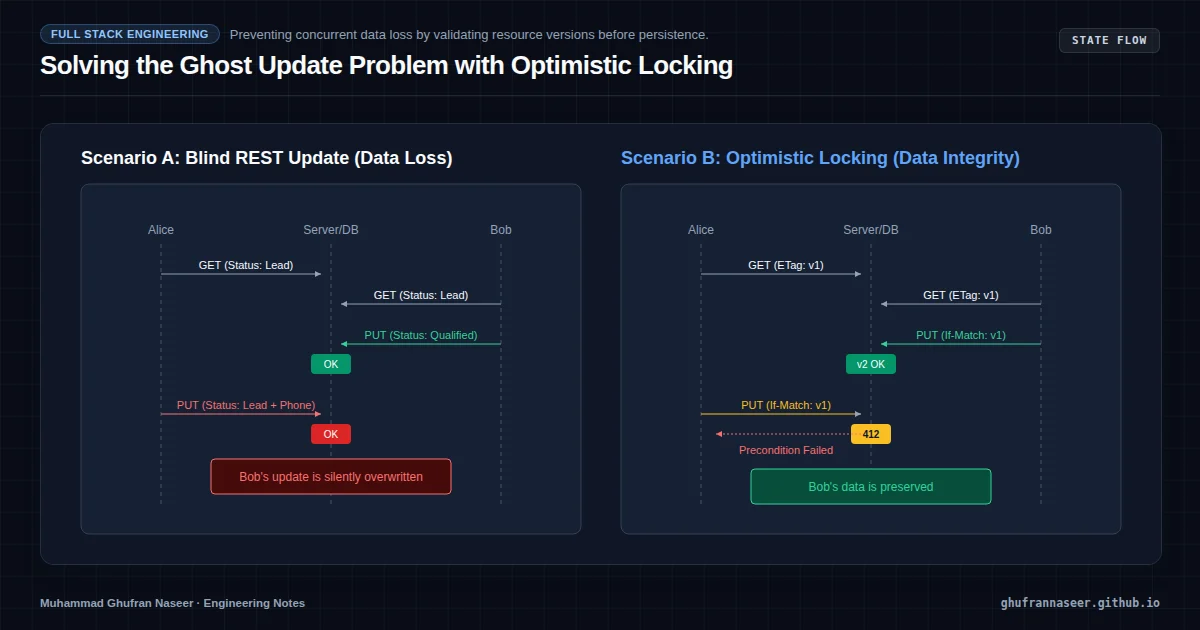
Why standard REST updates silently destroy data in multi-user environments and how to architect optimistic locking using ETags and versioned state synchronization.
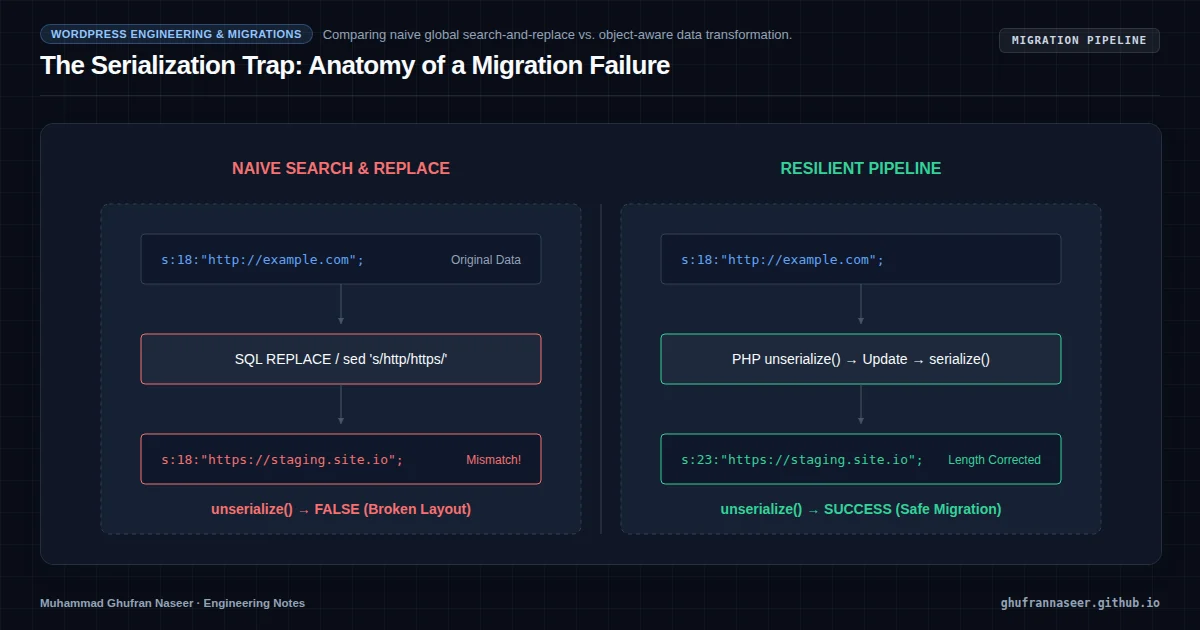
Why standard string replacement corrupts WordPress databases and how to architect a resilient migration pipeline that preserves serialized data integrity.
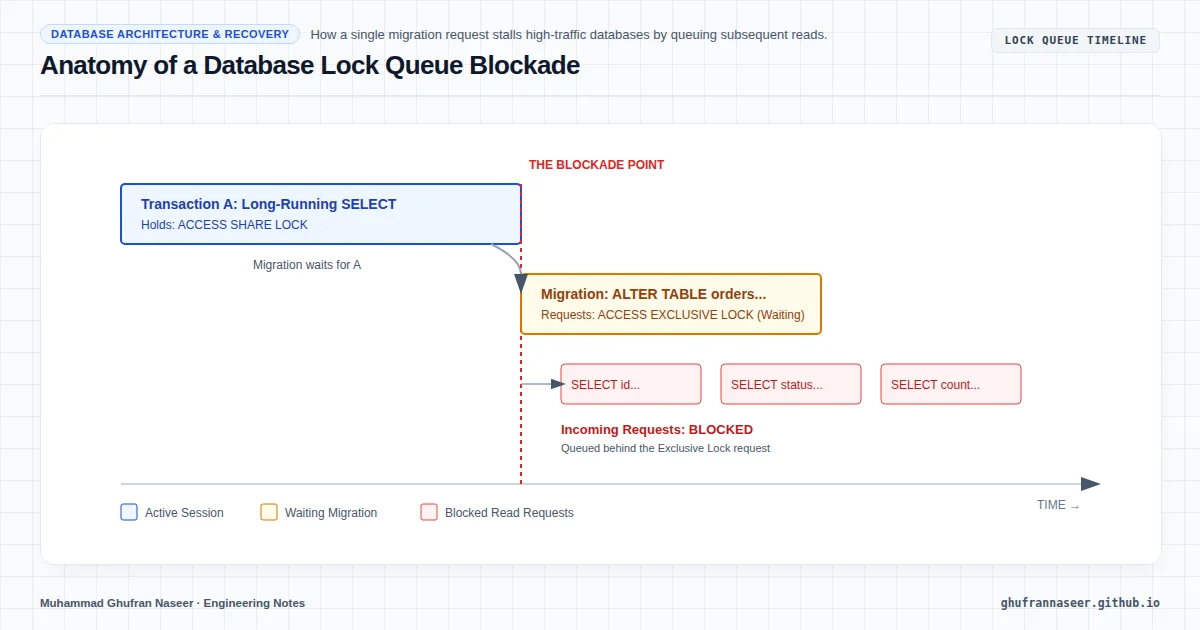
Why standard migrations crash high-traffic databases and how to implement non-blocking schema changes using lock timeouts, concurrent indexing, and staged deployments.
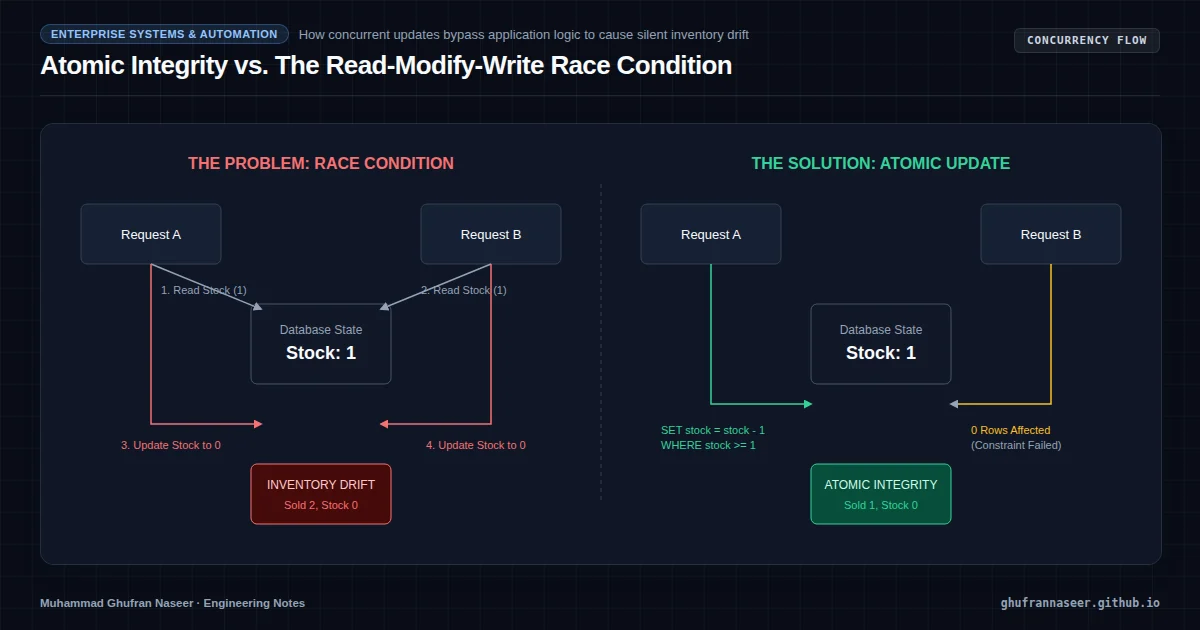
A deep dive into why standard database updates fail under load and how to architect resilient ledger systems using optimistic locking, idempotency, and the outbox pattern.
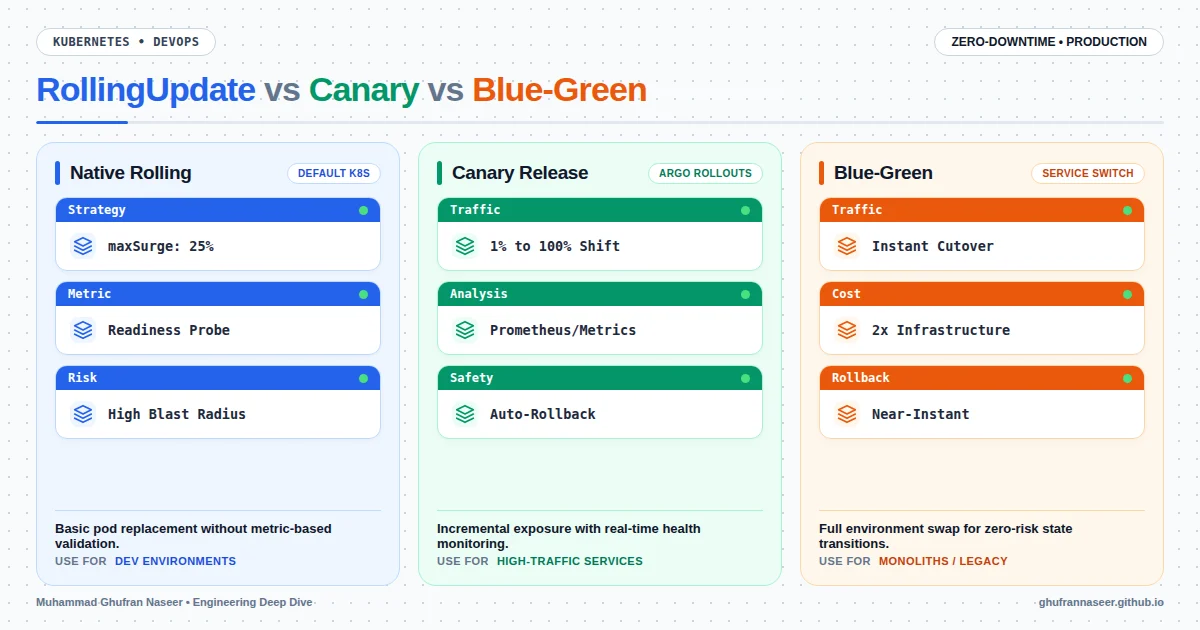
Move beyond basic RollingUpdates to sophisticated Canary and Blue-Green strategies using GitOps and observability to ensure 99.99% availability during deployments.
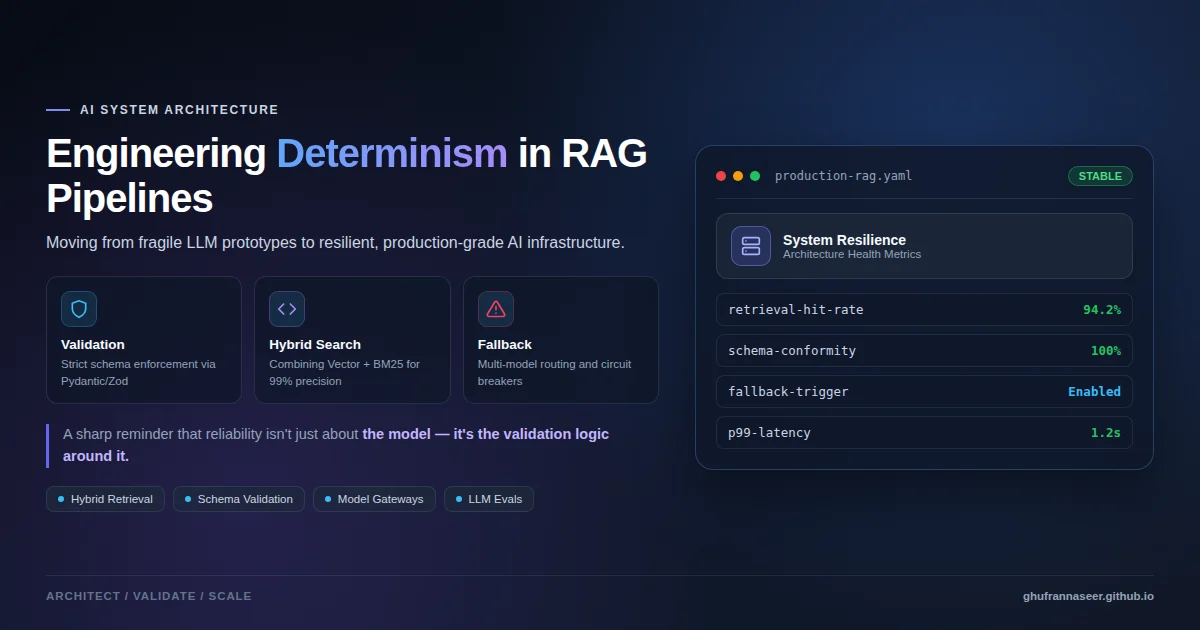
Transition from fragile LLM prototypes to resilient production systems using structured output validation, hybrid retrieval, and multi-model fallback strategies.
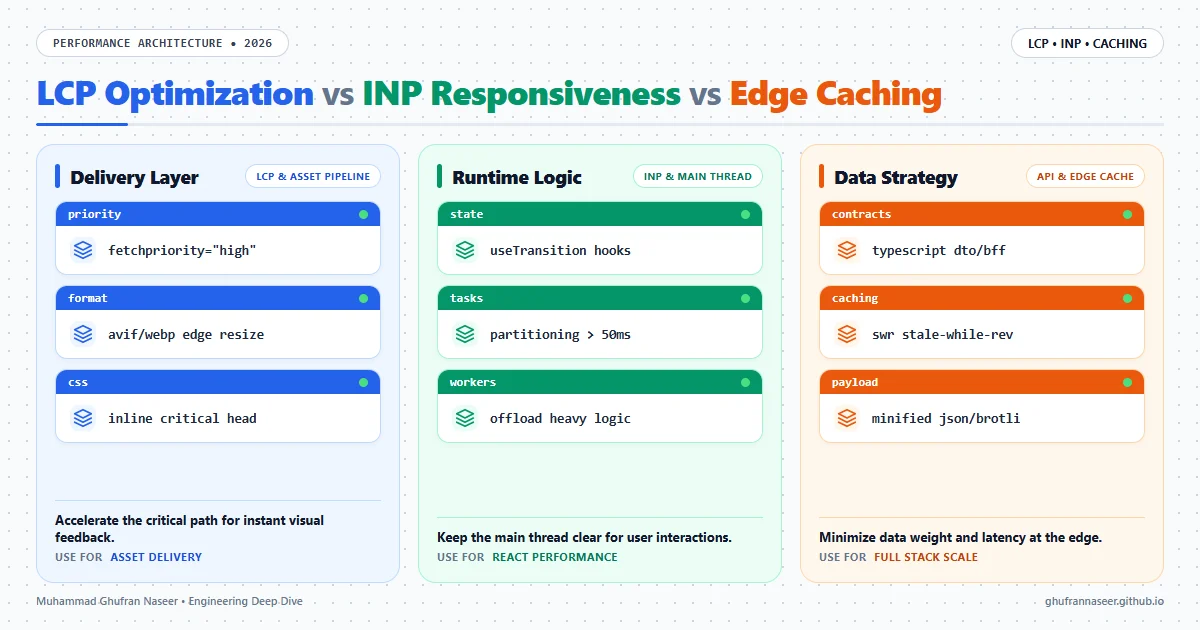
Master the transition from simple page loads to high-performance interactivity. Learn to optimize LCP, minimize INP, and leverage modern CDN strategies for scale.
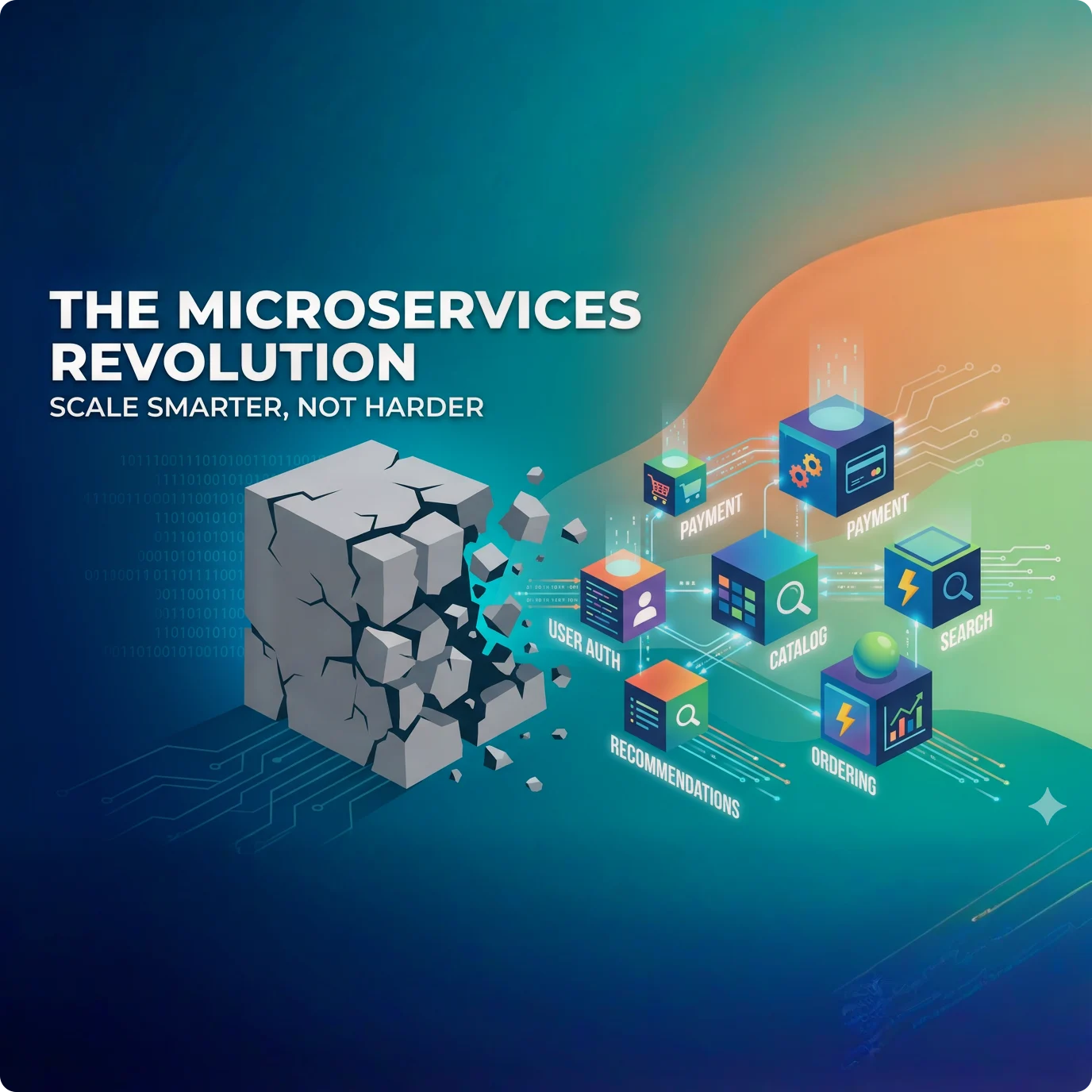
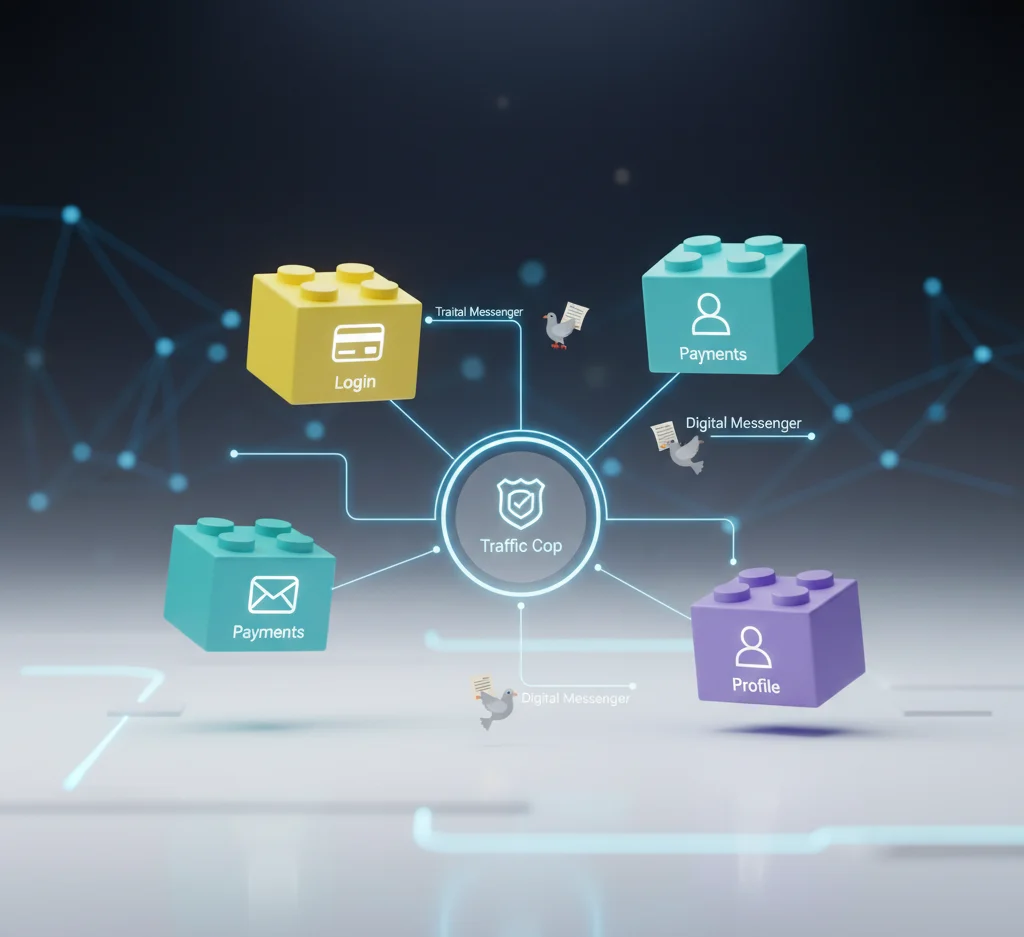
What are Microservices? Microservices architecture is an approach to building applications as a suite of small, independent services. Each service foc...
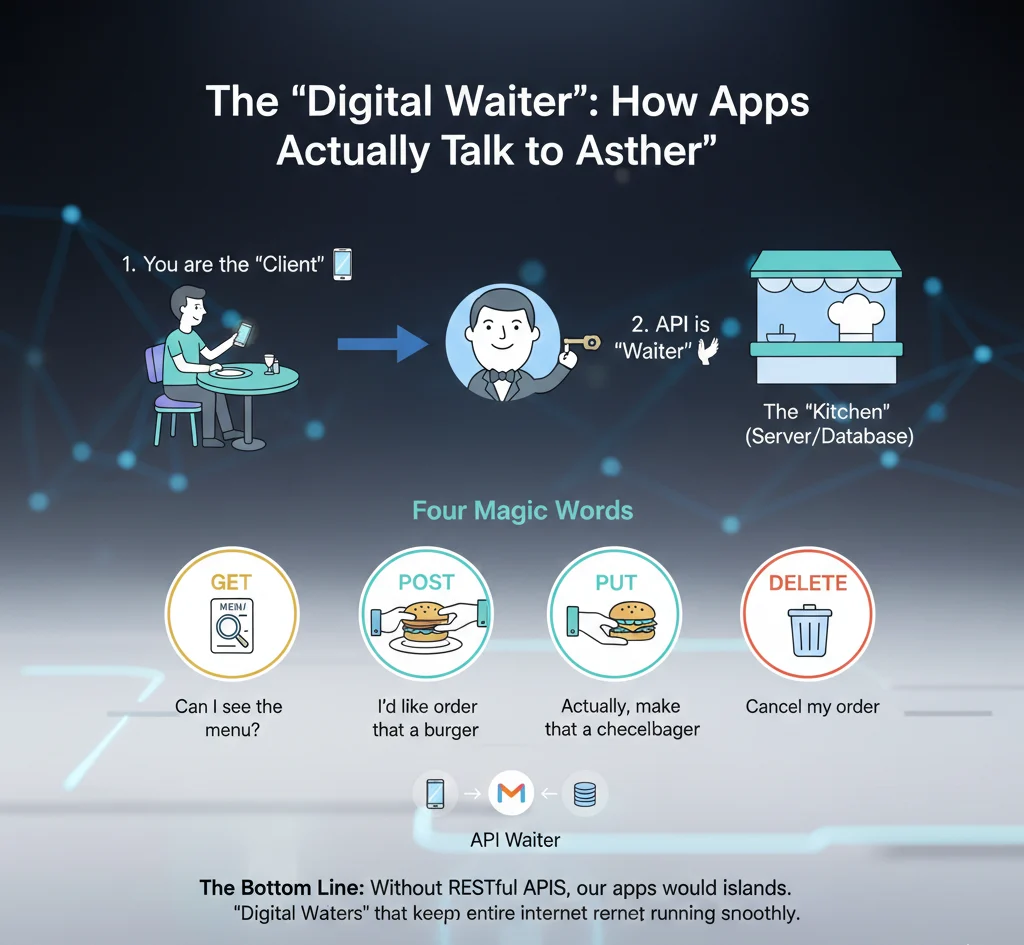
Have you ever wondered how your phone "knows" what the weather is, or how the Uber app knows exactly where your driver is? The secret is something cal...
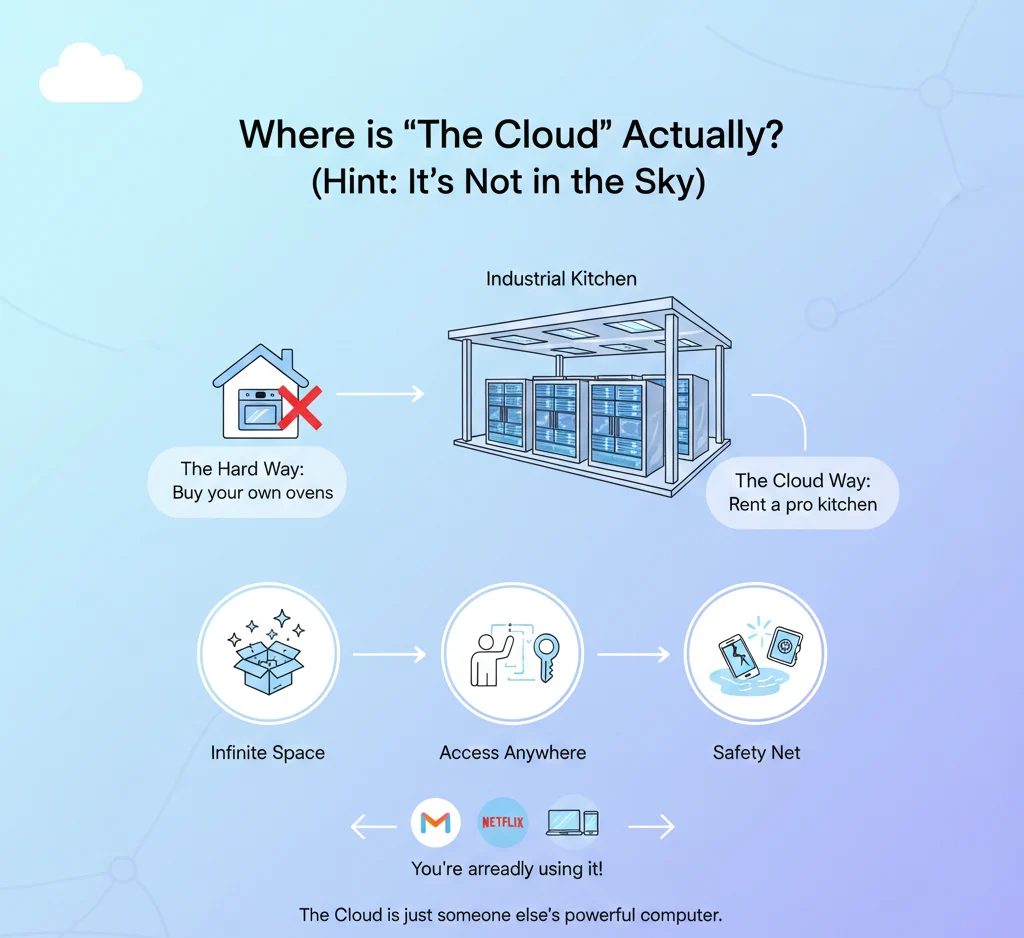
We hear it every day: "Save it to the cloud," or "It’s backed up in the cloud." But if you look up at a rainy sky, you won’t find your vacation photos...
Have you ever wondered how apps like Instagram or Uber handle millions of people at the same time without crashing? It’s not just one giant computer r...
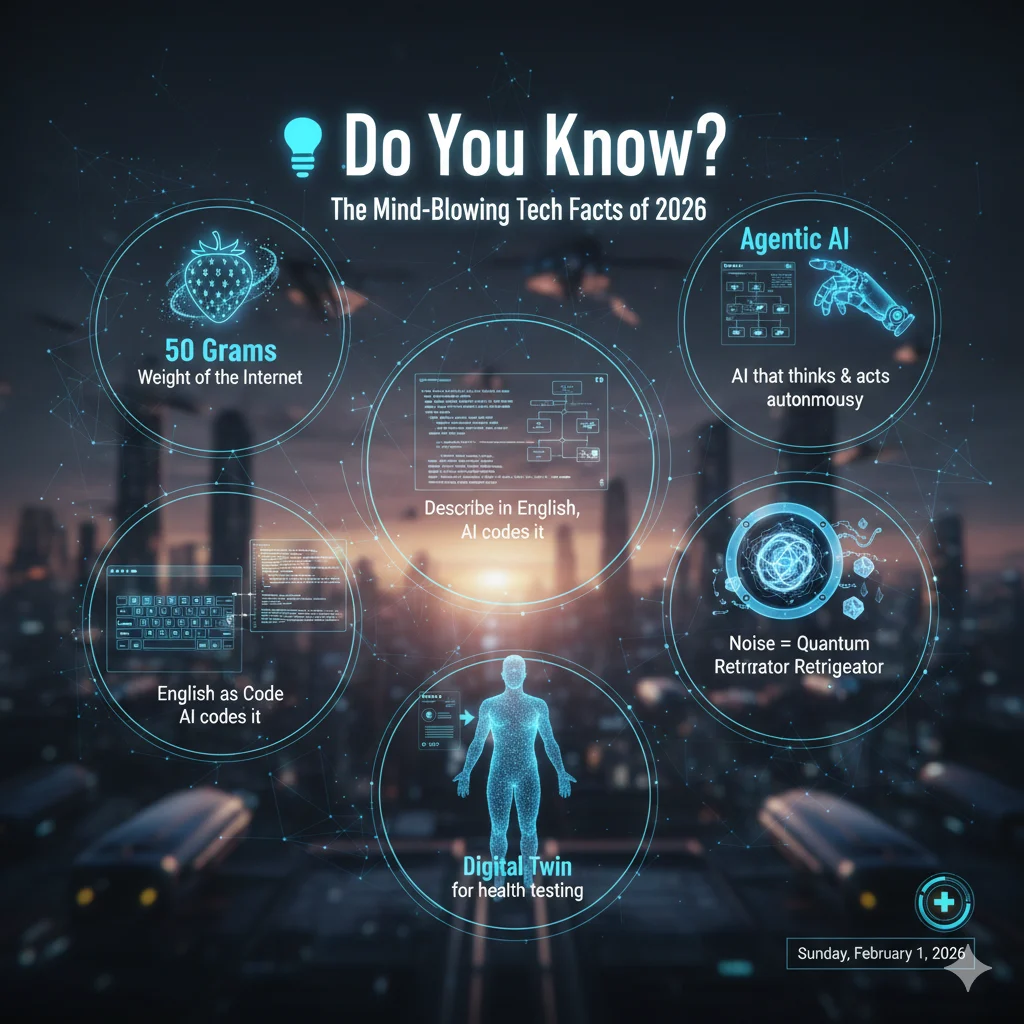
Technology isn't just changing how we work; it's changing the physical world around us. From the weight of the internet to computers that "freeze" to ...
1. Define Your Purpose and Tech Stack Before writing a single line of code, you need to decide how you’re building. • The CMS Route (WordPress, Webflo...
System design is the process of planning how software systems work, focusing on scalability, reliability, and performance. Key Components • Client & S...
In today’s fast-paced digital landscape, staying ahead requires more than just keeping up—it demands innovation, vision, and a commitment to excellenc...